Apple Cider Vinegar Hair Rinse: Recipe, Benefits, & Tips
Table Of Content

Pour over your hair after shampooing and conditioning and leave for up to 20 minutes. As of yet, there’s been no research directly testing apple cider vinegar’s benefits for hair care. Hair that looks dull, brittle, or frizzy tends to be more alkaline or higher on the pH scale. The idea is that an acid substance, like ACV, helps lower pH and brings hair health back into balance. "If you are using an at-home recipe with full-on ACV, I would start once a week and not ever do it more than two times a week," he says.
Recipes by Diet
If you pick up a professional hair care apple cider vinegar rinse, it will have a decent shelf life thanks to the preservative system. It's not going to have the same preservatives and stabilizers, which means you need to make your rinse single-use. Apple cider vinegar is one of the trendiest hair care ingredients—you'll find it as an ingredient in everything from a scalp detox to a shampoo. Part of the reason it's become so popular is the plethora of DIY anecdotes and recipes on the internet. Aloe vera is well known for its soothing properties; combined with apple cider vinegar, it can make a good pre-shampoo treatment for dandruff-prone hair. Mix 2 cups of water with 1 tablespoon of apple cider vinegar and 1 tablespoon of fresh lemon juice.
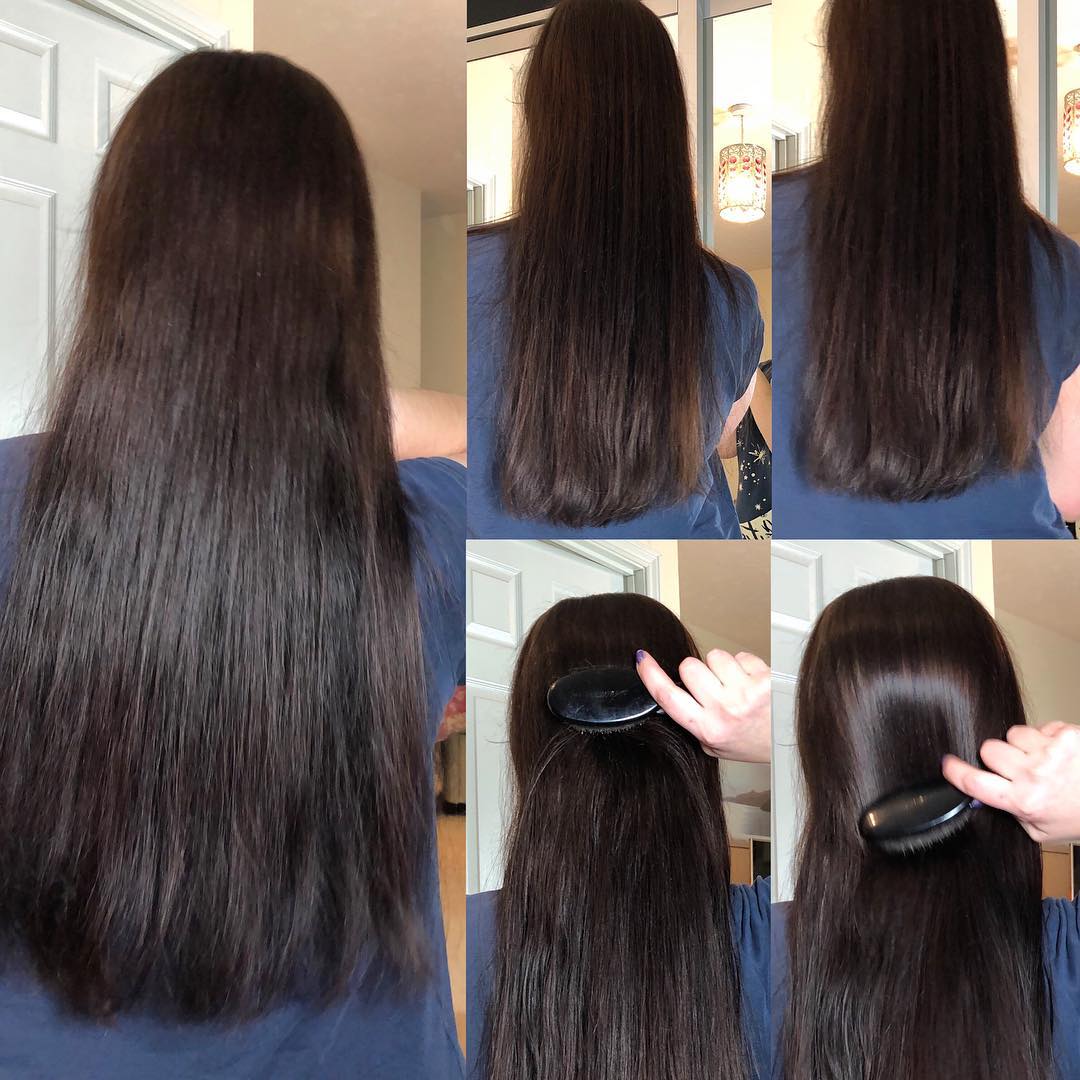
Apple Cider Vinegar Hair Rinse v. Clarifying Shampoo
It’s very easy to make and apply an apple cider vinegar hair rinse but first of all, you need to make sure and use the right kind of ACV. Your acid mantle is a very fine, slightly acidic film that maintains and protects the overall health of the hair and skin, and it has a big impact on the appearance of your hair. The outer layer of the shaft, also known as the cuticle, is compromised of tightly packed overlapping scales. The acid mantle is instrumental in making cuticle scales lie flat, which gives hair a shiny, smooth appearance and protects from moisture loss.
What Breathwork Can Address
Apple cider vinegar may be one of the most versatile ingredients in your pantry. When applied to hair, its antimicrobial, antibacterial, and antioxidant properties can help deep-clean, strengthen, and protect your scalp and tresses. As an acidic substance, it can also help balance your hair's pH, reduce product build-up, and tame frizz. If the thought of using an apple cider vinegar hair rinse seems a bit out there, I totally get it.
Just below the surface of the skin are sebaceous glands, which secrete sebum through the hair follicle. "You should also try not to use it right before or right after a chemical treatment, such as a coloring or keratin job, because the pH can affect the treatment you're having done." No one's hair is exactly the same—plus individual hair and scalp changes with the environment, weather, and lifestyle. So treat your hair like you do your face, and understand you'll likely need to try a few ways out to find something that works for you. Here's a good place to start, and from here you can adjust based on your personal experience.
Ahead, we talk to a dermatologist, a trichologist, and two hair experts about the many ways in which an apple cider vinegar (ACV) hair rinse can transform your strands and scalp. Apple cider vinegar is made by fermenting apples and adding bacteria which converts the alcohol to acetic acid. The main active ingredient in apple cider vinegar is acetic acid which has potent health benefits.
Since apple cider vinegar works to balance the pH of the hair and scalp, it leaves it primed for functioning optimally, notes Federico. “When the scalp functions optimally, it produces less oil,” he says. I very much enjoy the benefits of my apple cider vinegar hair wash when used in moderation. Apple cider vinegar’s antimicrobial powers are also well-supported by research. It could keep scalp problems related to fungus or bacteria at bay, thereby preventing itchy scalp. There’s no research or science behind dry scalp or dandruff support, however.
Why use ACV for hair care?
“It clarifies the scalp to help achieve proper pH balance therefore reducing flakes,” he says. “Applying this solution effectively eliminates environmental and product residue buildup, leaving your hair exceptionally clean and shiny,” says Bacchi. Here you’ll find a myriad of recipes and lifestyle strategies for living well. Typically, I use this wash once every two weeks and sometimes weekly.
Apple Cider Vinegar and Lemon Hair Rinse
Apple Cider Vinegar for Hair: Benefits and How to Use - ELLE
Apple Cider Vinegar for Hair: Benefits and How to Use.
Posted: Fri, 07 Jul 2023 07:00:00 GMT [source]
It’s also a good idea to shake the bottle each time before using apple cider vinegar to distribute the healing elements. Apple cider vinegar can treat clogged hair follicles due to bacterial infection that creates crusty flakes on the scalp (which can result in hair loss). You can get detailed information in my article on how to use ACV to get rid of dandruff and in my article about the best home remedies for dry, itchy scalp. A study published on 2014 discovered that the high alkaline pH of many shampoos may damage the hair fiber surface, and this may lead to damage and breakage of the outer layer of the hair.
This is why it’s important to find raw ACV on your hair. If you’re already aware of the many benefits to apple cider vinegar—both internally and topically—you’re going to love this hair rinse. Another great option that is coming back as a trend is rinsing your hair with rice water.
"If you pick the right product, it shouldn’t smell and can be used more consistently." Apple cider vinegar is also used to by many people to assist with weight loss.
Before use, give it a shake to make sure the baking soda is blended thoroughly. Massage the mixture into your hair and scalp before rinsing well. After shampooing and conditioning your hair, pour 1 cup of the rinse over. If you can still detect a slight vinegar smell, consider using one of our recipes with essential oils added, which help counteract any slight lingering scent of vinegar. I don’t necessarily recommend it for multiple times a week.
Because it removes product build-up from your hair, expect to have your hair last longer between washes. You can also use it to remove skin tags and warts, as an effective cleansing face wash and in detox drinks. Apple cider vinegar will help you to maintain the natural pH of your scalp, which will help to create a hostile environment for fungus, bacteria or yeast that cause dandruff. There are many commercial hair-care products that have a negative effect on the hair, leaving it dry and brittle. Your hair is actually a two-part structure consisting of a follicle and shaft.
You can rinse your hair with water afterwards, but there's no need. If you find the smell of vinegar slightly overpowering, you can add a few drops of essential oil and mix well before using. Mix 2 cups of water with 4 tablespoons of apple cider vinegar. This can be poured over your scalp and hair after shampooing. Not only can I feel the difference after using apple cider vinegar in my hair, but I can see the difference.
"Overuse might cause dryness and irritation. Also appropriately dilute the ACV. If you don't, it will likely be irritating. It is also noxious." Rinsing your hair with apple cider vinegar helps to seal the hair cuticle. As a result, light is reflected off the hair, making it smoother, softer and shinier. According to Friese, ACV smooths and seals the hair cuticle, making it ideal for reaching high shine levels. It is thought that the enzymes from the fermented apple close and smooth the hair cuticle, the protective layer that locks in vital lipids, proteins, and moisture.


Comments
Post a Comment