The Role of African Design in Global Design Trends RTF
Table Of Content
Her studio specializes in homeware and products inspired by traditional Ghanaian Adinkra symbols, which hold both decorative and symbolic significance. Her creative journey began during her textile design master’s at Chelsea College of Art & Design, where she aimed to infuse her designs with the spirituality of her African heritage. African carvings and sculptures that survive to this day show that the use of natural materials like stone, clay, and wood prevailed in the continent’s early history. After the end of colonialism, art and design became great vehicles for African countries to reinforce and promote their independence. Traditional craftsmanship and cultural heritage became a source of inspiration for African designers. Frances Van Hasselt, founder of mohair design studio Frances VH, also takes traditional craft and techniques, and interprets them in a modern way.
Vibrant Color Schemes

These logos are not just brands; they are ambassadors of a rich cultural heritage, each telling a story of tradition, resilience, and community. This is where the magic of African aesthetics comes alive, offering a plethora of ideas that are as diverse as the continent itself. In summary, creating an authentic African logo design requires a blend of cultural understanding, respect for traditional symbolism, thoughtful use of indigenous art elements, strategic color selection, and storytelling. It’s about more than just creating a visually appealing design; it’s about crafting a symbol that captures the essence of Africa's rich cultural heritage and resonates with both African audiences and global viewers alike. African logo design is an exhilarating journey through a rich tapestry of symbols, colors, and cultural significance.
African Cat Project
He then went on to use his passion as a tool to comment on southern Africa’s history and is best known for his creation of the ‘Colonial Bastard Rhodes’ typeface. As in the realms of fashion and contemporary art, the world is starting to direct its attention to Africa for interiors and product design. Across the continent, creatives are being lauded for their successes with sustainability, modern reinterpretations of African traditions, and simply fabulous-looking works. In response to the wave of new interest, museums and galleries are showcasing an ever-widening array, which is stimulating further innovation and elevating values. This designer and carpenter from Botswana launched his own furniture brand in 2006, and has since worked with designers including Luca Nichetto, Patricia Urquiola and Claesson Koivisto Rune. The brand, named Mabeo, aims to show how African design can appeal to a global market.
Story behind the Art: American Gothic
The table’s base is made of stacked wooden disks – drawn from the Adinkra symbol “Adinkrahene,” representing strength and leadership. The Àdùnní ("daughter of the sweet one") armchair is described as "a celebration of African modernism". Raised in Nigeria, Lani Adeoye of Studio Lani has lived in Lagos, Montreal, Toronto, and New York, where she studied design at Parsons.
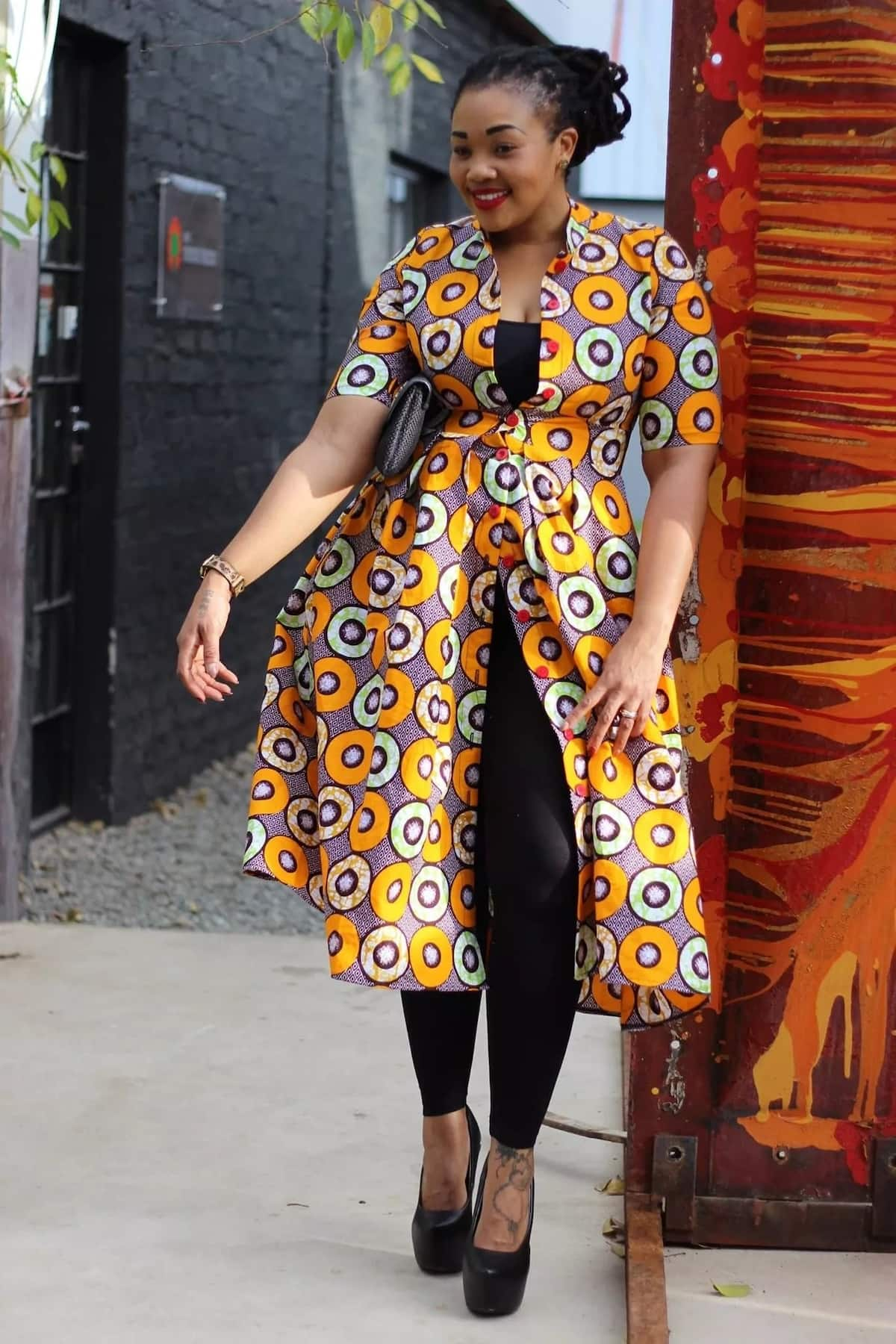
But for now, I’m trying to spend more time on design rather than advertising. I’ve been invested in finishing my African-inspired alphabet series, which I have featured on my Instagram page”. Nigerian designer Folawiyo built her global reputation on her modern transformations of Ankara, a traditional West African dress cloth. African art has, specially incorporated into spaces of contrast, have created visually striking spaces evoking senses of stimulus experiencing such spaces. African style and design over the years have influenced the world be it through its fashion imprints or its art style used by all tribes in the deep rooted cultural community.
Using design to solve housing inequity in South Africa - CNN
Using design to solve housing inequity in South Africa.
Posted: Fri, 17 Nov 2023 08:00:00 GMT [source]
Earth tones such as browns and greens can evoke the continent's landscapes, while bold hues like red, yellow, and blue can reflect the vibrancy of African culture. Consider the symbolic meanings of these colors in different African societies to ensure your color choices add to the logo's authenticity. African tribal art is renowned for its use of geometric patterns, each with its own cultural significance.
Architect-designed furniture
Hicham Lahlou, an emblematic figure of the new design generation, has been part of the new design sphere for more than two decades. One of Nigeria's most exciting designers is Kenneth Ize who merges traditional crafts with an original perspective on luxury production. He studied MA Fashion Design at the University of Applied Arts Vienna, and launched his eponymous label at Lagos Fashion Week in 2013. He was shortlisted for the LVMH Prize and made his Paris Fashion Week debut in 2020. Lagos Fashion Week has shown some of the most exciting fashion talents from across the continent over the last 10 years.
Marc Thorpe designs Dakar Houses for Moroso furniture makers in Senegal
Laduma Ngxokolo created the brand to explore knitwear design solutions that would be suitable for the amakrwala (Xhosa initiates) traditional dress. Using South African mohair and wool, the aesthetic is informed by traditional Xhosa beadwork patterns and colours. The south of Africa, around Zimbabwe developed the famously known as Ndebele quilt blocks, by Ndebele people. Most of the patterns were geometric and symbolised Ndebele culture very well. Color is a powerful tool in African design, often used to convey messages and emotions. In African logo design, choose colors that are not only visually striking but also meaningful.
“I think the world’s perception is moving from a narrow perspective of African design to a much wider, more varied and inclusive understanding of design from the continent,” says Van Hasselt. “Mohair should ultimately be recognised in the same way cashmere is in Scotland or Alpaca in Peru,” she says. Celebrated ceramic artist Andile Dyalvane has become known for the deeply moving way he channels his Xhosa ancestry through his work, with each collection an homage to an aspect of his cultural heritage. His latest show, iThonga, presented by Southern Guild in South Africa and Friedman Benda gallery in the US, comprises 18 sculptural stools, chairs and benches, exhibited in the custom of Xhosa ceremonial gatherings. These stools are placed in a circular arrangement around a fire hearth and herbal offering.
He believes that African designers possess untapped potential in drawing inspiration from their rich cultural heritage. It is important to remember, however, that African design extends far beyond the widely known ethnic and animal prints, and the earthy colors and textures. As a matter of fact, the huge variety of fabrics produced in the continent is a great example of its diversity, and this variety includes their meaning. After all, in cultures such as that of Ghana, patterns and colors used in an outfit can indicate strength and resilience, a person’s approximate age, or whether he/she is grieving a loved one. Thabisa Mjo, award-winning product designer and founder of Mash T Design Studio, who has shown her work at Milan Design Week, agrees.
Each logo isn’t just a brand mark; it’s a narrative piece, conveying stories of heritage, community, resilience, or innovation. This narrative aspect makes the logos more than just a visual symbol; they become a piece of storytelling that connects the brand to its roots and its audience. For example, red might represent blood and strong emotions, green could symbolize growth and prosperity, and yellow might denote energy and joy. In African logo design, the use of these colors is both an aesthetic choice and a way to convey deeper meanings. These vivid colors also ensure that the logos are eye-catching and memorable.
In this article, we’re diving into some of the most creative and inspiring logo designs that capture the essence of Africa's diverse heritage. These designs aren't just visually stunning; they're a masterclass in storytelling, each weaving a unique narrative that resonates deeply with its audience. With key hubs in Southern Africa, East Africa, and West Africa, designers and artisans weave eco-friendly functional and decorative baskets using available and sustainable natural fibers like sisal grass in Eswatini and raffia in Ghana. Some examples of leading designers include Zenzulu basket designs which are handmade and fairly traded, ensuring sustainable incomes for more than 350 artisans in South Africa.
The textures,patterns and also materials have been very much an influence from African society and its depth of culture,artwork and creativity put together. African style has given the chance to designers to create visually appealing and creatively striking spaces and focal points, by use of patterns, materials and vibrant colours involved. In African cultures, colors are more than just visual elements; they convey messages and emotions. For instance, red often represents strength and passion, green symbolizes growth and natural life, blue can denote peace and tranquility, while gold signifies wealth and prosperity. When choosing colors for your logo, it’s important to understand these cultural connotations to ensure your design resonates with your audience and accurately reflects your brand’s identity. In conclusion, incorporating African patterns into your logo is a journey of creativity and cultural exploration.
Designing such logos is not just about aesthetics; it’s a journey into the heart of Africa, where each symbol, color, and pattern tells a story of a rich, diverse, and vibrant culture. For brands looking to connect with their roots or communicate a message of African heritage, these logo designs offer a powerful and authentic way to do so. The chair has been highly regarded as a perfect mixture of material, ergonomics, and local aesthetic in an elegant, somewhat sculptural furniture piece. Ini Archibong, an American born artist and designer of Nigerian heritage, has designed furniture for Bernhard Design, Sé, and Knoll.
You can simplify a traditional pattern to its basic geometric shapes or use just a segment of the pattern as a subtle nod to African art. This approach ensures your logo remains clean and scalable while still incorporating the unique African aesthetic. When incorporating these into your logo, play around with color contrasts and textural elements. You can use bold, earthy tones typical of African landscapes, or opt for brighter, more vibrant hues found in traditional clothing and art. Textures can add depth and dimension to your logo, making it stand out and capture the viewer's attention. Africa’s rich wildlife is more than just a nod to the continent's biodiversity; it's a reservoir of symbolic meanings.
Africa Design Days / Awards represents an exceptional positioning opportunity for the Kingdom of Morocco whose geographical position allows it to become a geostrategic hub of design, recognized by WDO. This concept is a vision for Africa that goes beyond the promotion of the continent’s creative talent. Ivorian American fashion designer Loza Maleohmbo establised her namesake label in New York City in 2009 and now operates from Cote D’Ivoire. Raised in Côte d'Ivoire and Maryland, she holds a degree in animation and has trained with fashion designers Jill Stuart, Yigal Azrouël and Cynthia Rowley. Loza Maleohmbo bridges Ivorian traditions with modern fashion as she continues to experiment the energies between Ivorian tribal aesthetics and New York's urban fashion.


Comments
Post a Comment